This blog might contain some affiliate links to items listed on Amazon, and as an Amazon Associate, I might earn commission from qualifying purchases, at no extra cost to you. However, I do not post links to items that I do not personally own, so anything that I might link in efforts to inform and assist are solely things that have helped me and inspired the writing of this blog.
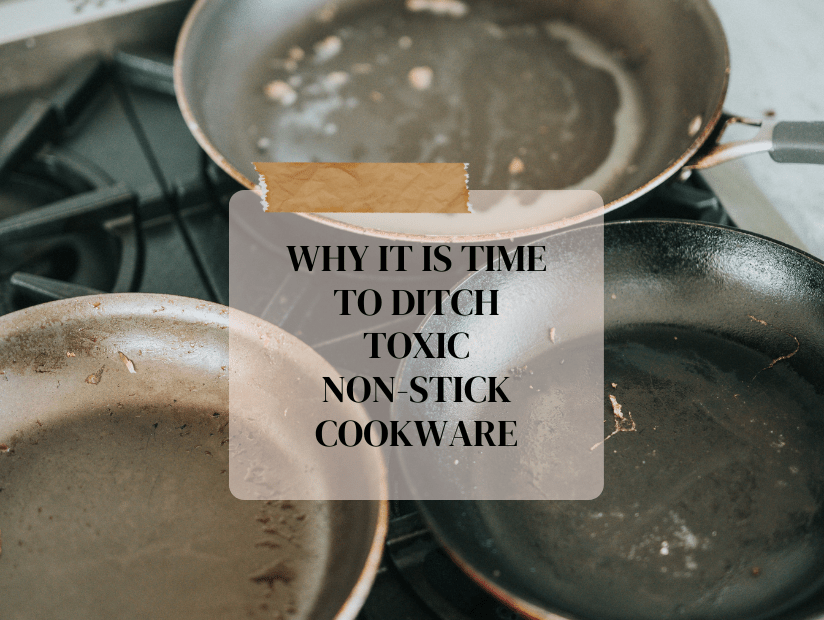
Something that my husband and I did not know until recently is that nonstick kitchen items, particularly those coated with polytetrafluoroethylene (PTFE), like Teflon, have raised concerns about the potential health risks associated with the presence of “forever chemicals” known as per- and polyfluoroalkyl substances (PFAS). PFAS are a group of synthetic chemicals that resist heat, water, and oil, making them widely used in nonstick coatings. The concerns stem from the fact that PFAS can persist in the environment indefinitely and accumulate in the human body. If you pay attention to the news, you’ll likely hear of a number of lawsuits pending with large corporations in America due to their use of these PFAS.
To minimize exposure to these forever chemicals, we have opted for alternative cookware options, such as stainless steel, that do not contain PTFE or PFAS. As the scientific community continues to study the long-term effects of PFAS exposure, individuals concerned about their health may choose to make informed decisions regarding the use of nonstick kitchen items.
Research suggests that exposure to PFAS may be linked to various health issues, including reproductive and developmental problems, liver damage, and an increased risk of certain cancers. When nonstick cookware is heated to high temperatures, it can release toxic fumes containing PFAS, posing potential health risks to individuals in the vicinity. Now, I get it – it is very expensive to replace all your kitchenware. As a result, my husband and I decided to start with the items that we used the most – our air fryer and instant oven. We found a reasonably priced stainless steel air fryer/oven that you can find here and has worked tremendously for the two of us. Admittedly, we eat a lot of frozen food and leftovers as we both work, and we were likely being exposed to a number of PFAS through using our old appliances. We feel more comfortable that this stainless steel air fryer is free of the PFAS, is easy to clean, and works great for our needs. At the same time, we replaced all of our nonstick pans with a set of stainless steel pans that you can find here. We thought this was quite the bargain for the deal that we were getting, as well as the peace of mind we were receiving from our shift away from PFAS. We’re looking forward to continuing our transition with our lesser used items when the budget permits, but we feel confident in our interim solution addressing most of our kitchen needs.
In summary, concerns surrounding PFAS in our everyday cooking appliances is a recent development. Later is better than never in our efforts of keeping our body clear of potentially devastating sources of toxins that have been linked with a number of health problems. While research on PFAS is ongoing, below are some health consequences that have been linked to exposure:
Reproductive and Developmental Issues: Exposure to PFAS has been associated with adverse reproductive and developmental effects. Studies have suggested a potential link between PFAS exposure and decreased fertility, low birth weight, and developmental delays in children.
Liver Damage: PFAS have been linked to liver damage and an increase in liver enzymes. Prolonged exposure to these chemicals may contribute to liver inflammation and other hepatic issues.
Immune System Effects: Some studies suggest that PFAS exposure may weaken the immune system, making individuals more susceptible to infections and illnesses. This impact on immune function is a concerning aspect of PFAS exposure.
Increased Risk of Certain Cancers: There is evidence to suggest that PFAS exposure may be associated with an increased risk of certain cancers, including testicular and kidney cancer. However, more research is needed to establish a definitive causal relationship.
Thyroid Disruption: PFAS may interfere with thyroid hormone production and function. Thyroid disruption can lead to various health issues, including metabolic imbalances and potential effects on growth and development.
Elevated Cholesterol Levels: Some studies have found a correlation between PFAS exposure and elevated levels of cholesterol. High cholesterol is a risk factor for cardiovascular diseases.
Disclaimers:
I am not a health professional.
 Life of Les
Leave a comment